
Torsion & Extension Springs
Both torsion and extension spring systems are part of the local housing mix, so spring work starts with identifying which is installed.
Local garage door service · Punta Gorda, FL
Garage door repair, installation, maintenance, spring service, opener work, and off-track repair for Punta Gorda homes built mostly between 1971 and 2003, with service shaped around the 1980s- and 90s-era hardware common across the area.
Garage door services
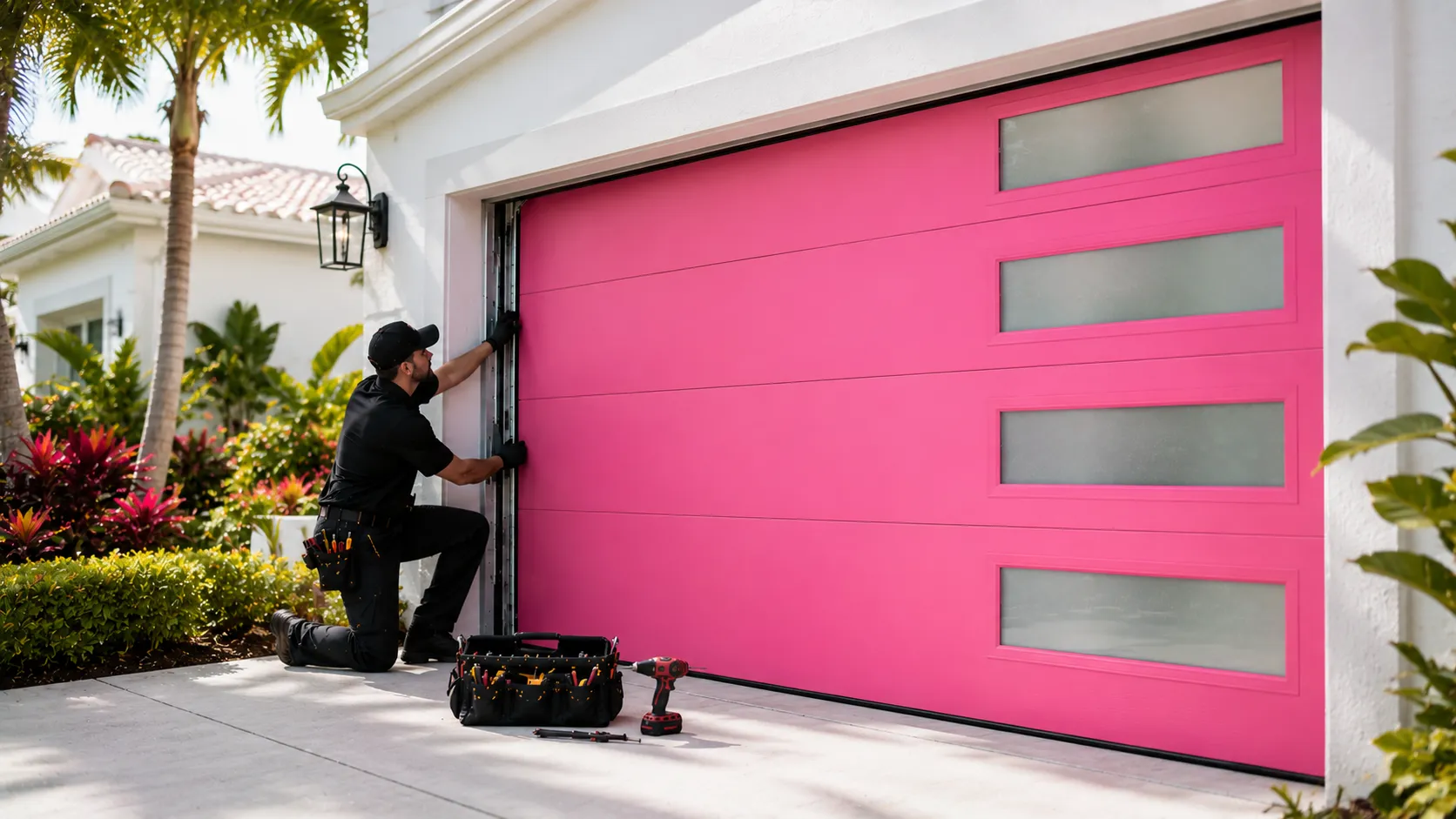
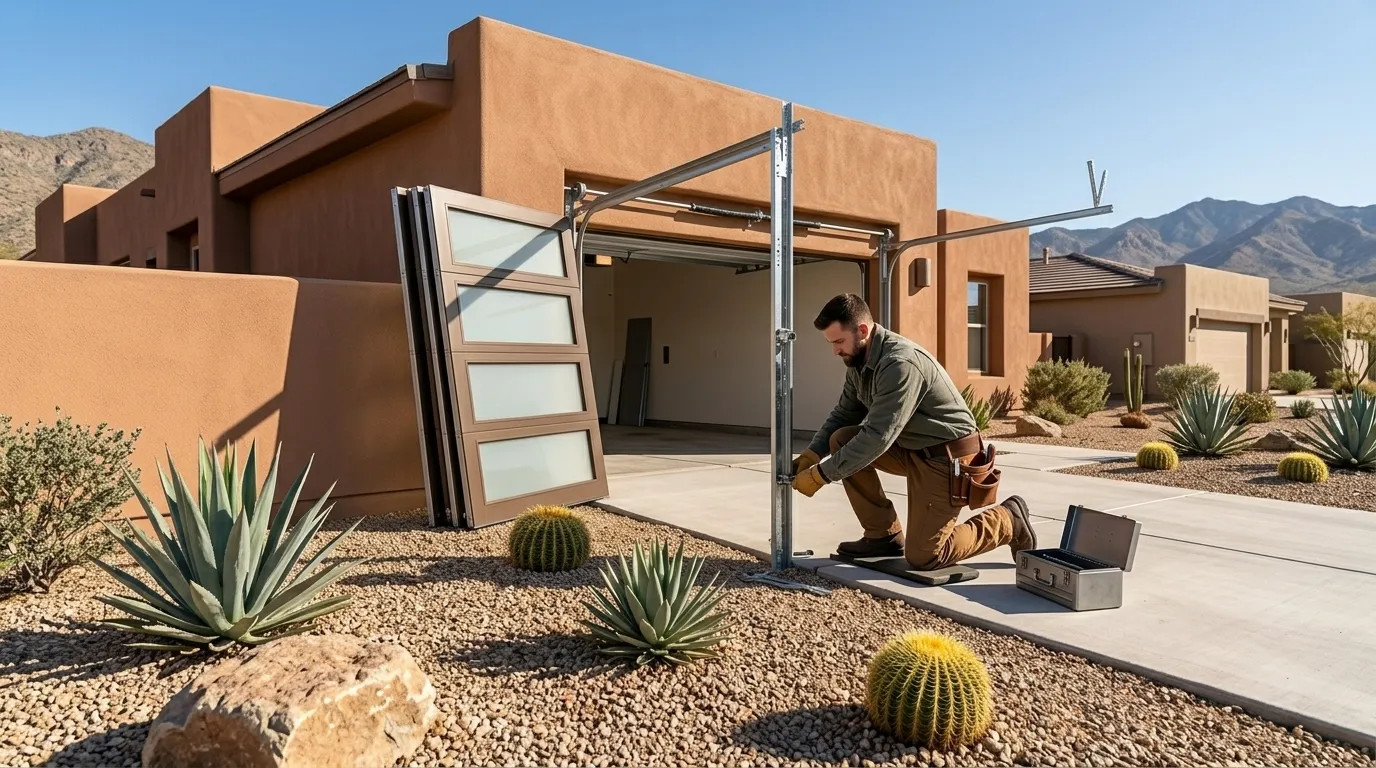
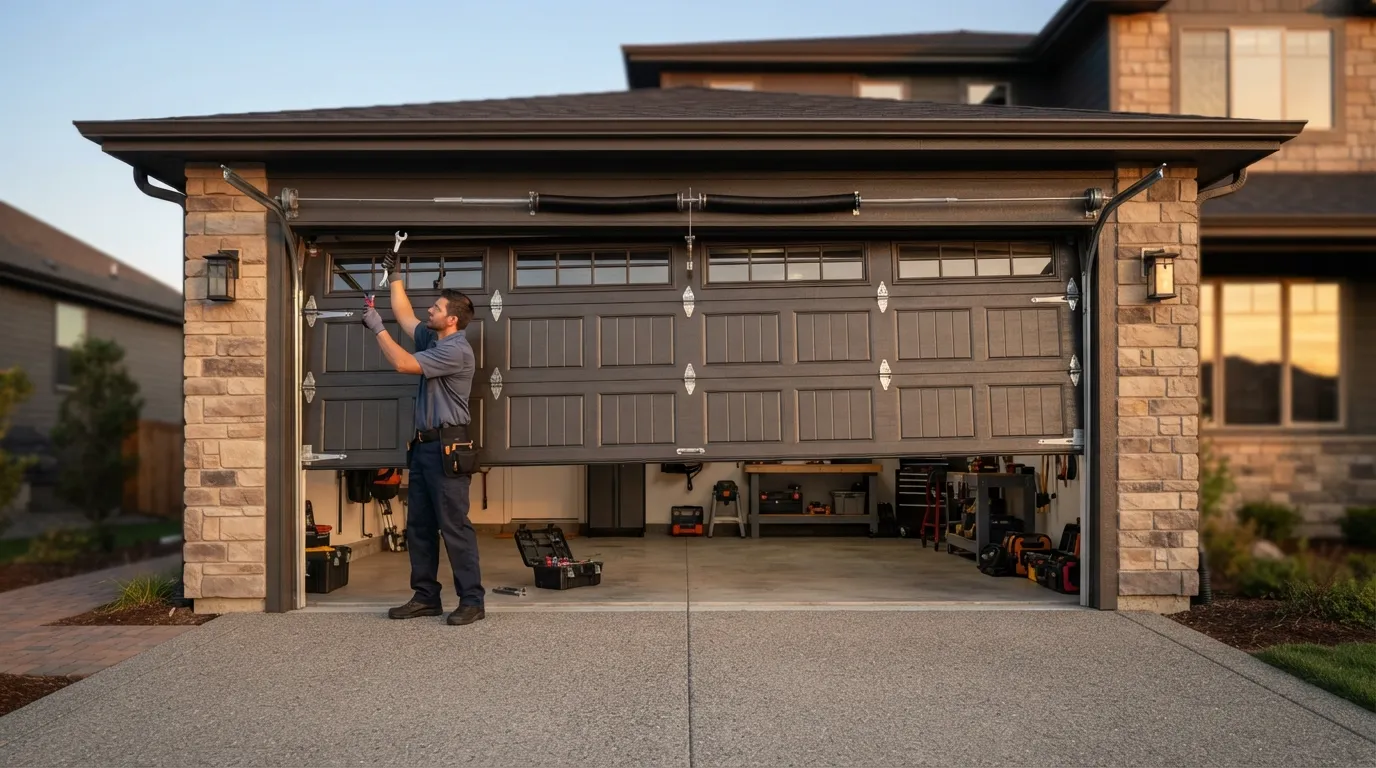
From installation and maintenance to off-track repair, opener work, spring repair, and general garage door service, the lineup is built around the systems common across Punta Gorda's 1970s-2000s housing stock.
Local housing matters
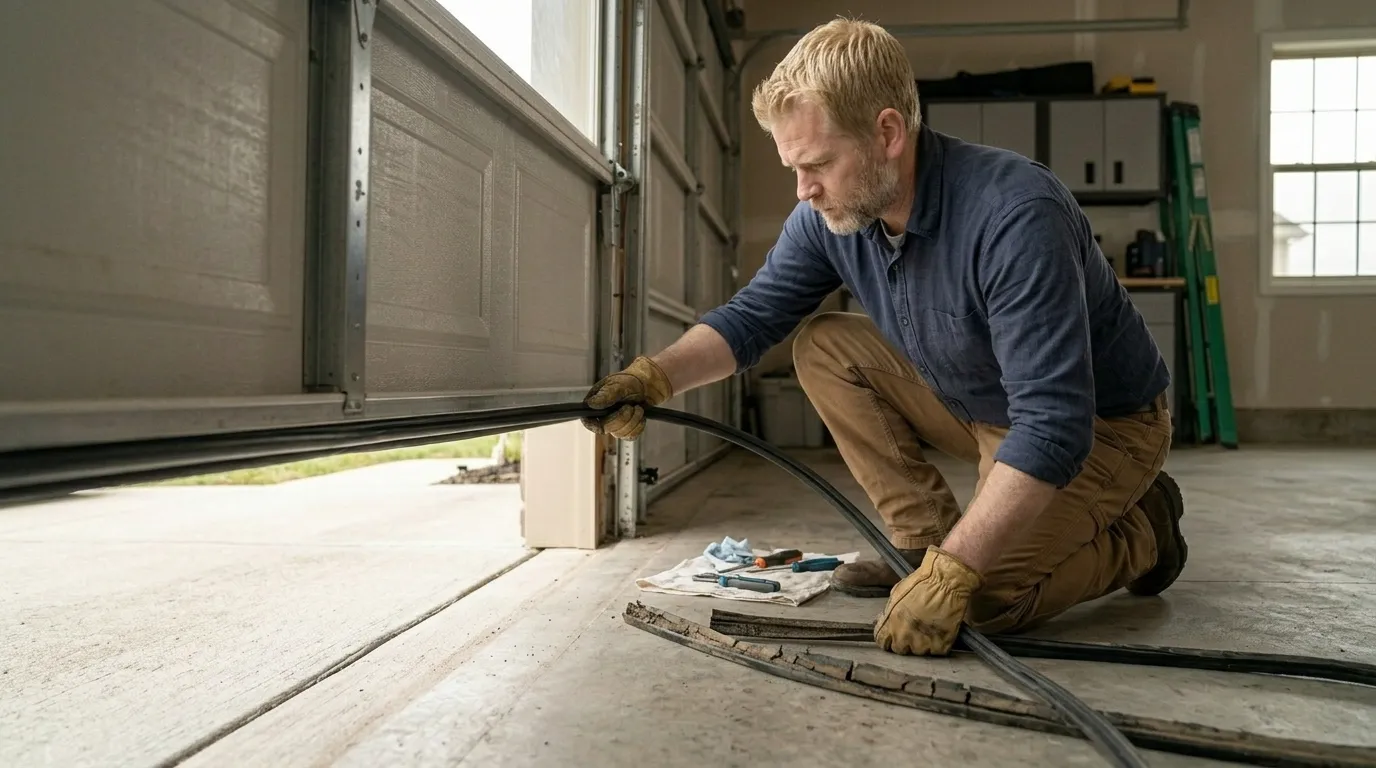
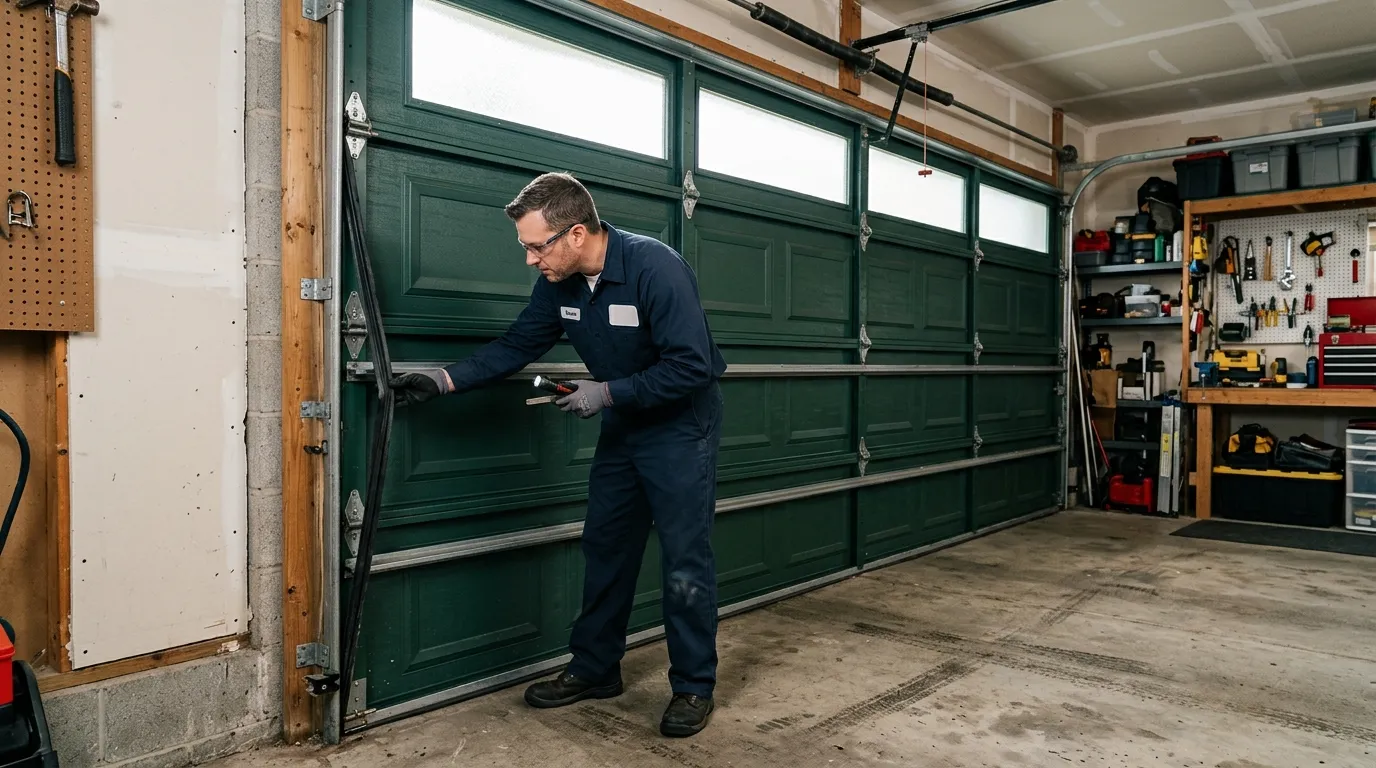
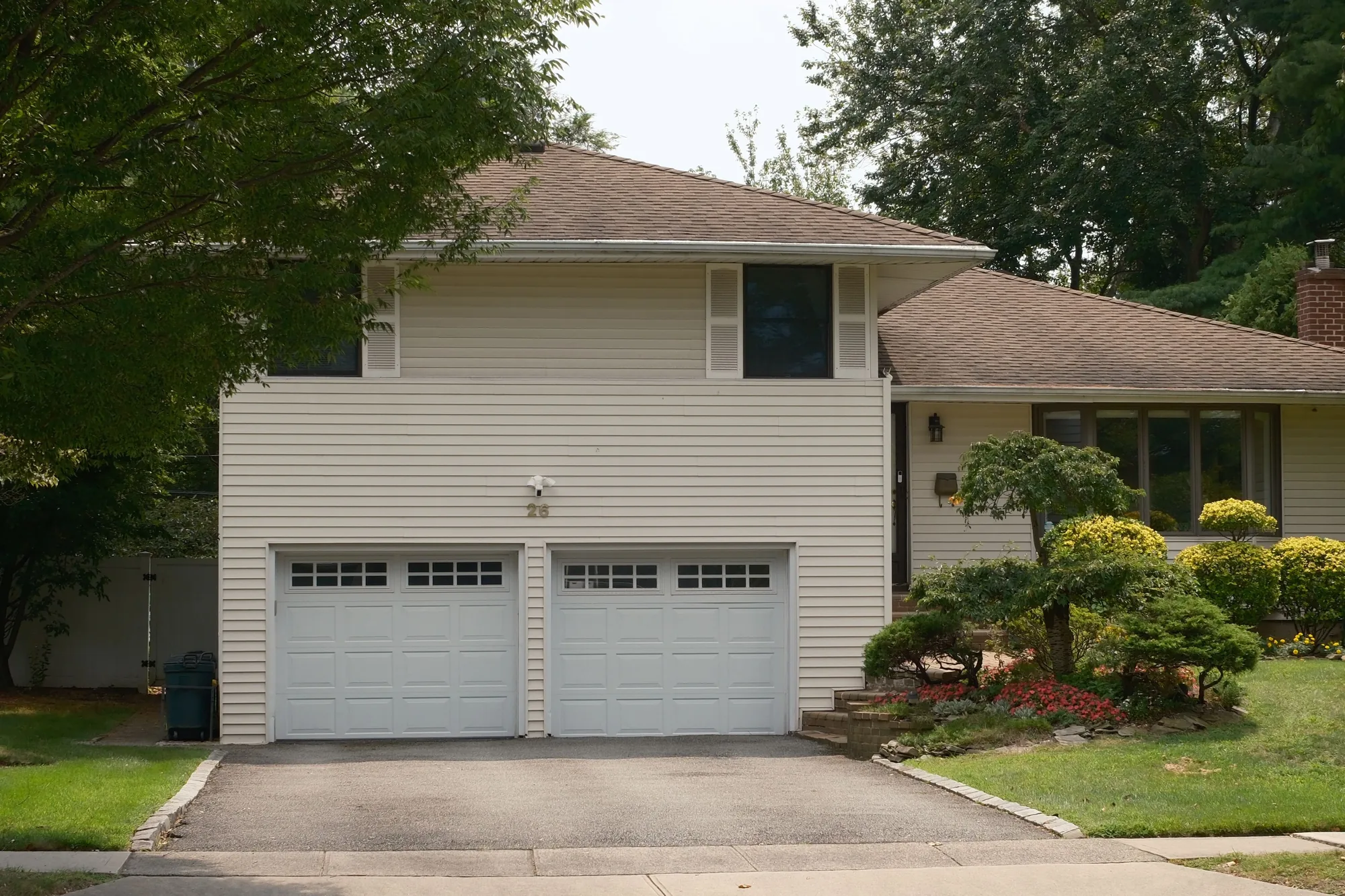
The broader source service area is dominated by homes built between 1971 and 2003, with a median build year around 1985 and much of the housing concentrated in the 1980s and 90s.
That creates a large number of garages with torsion or extension springs, sectional doors, older drive systems, rollers, tracks, cables, and opener hardware from several generations.
The source references approximately 16,231 households across the broader area, including about 6,912 owner-occupied houses.
Many doors and openers may still be original to the house or represent a first replacement from the 1990s or early 2000s.
The build year provides useful context, but the correct repair depends on the hardware actually installed today.
1980s–90s garage door systems
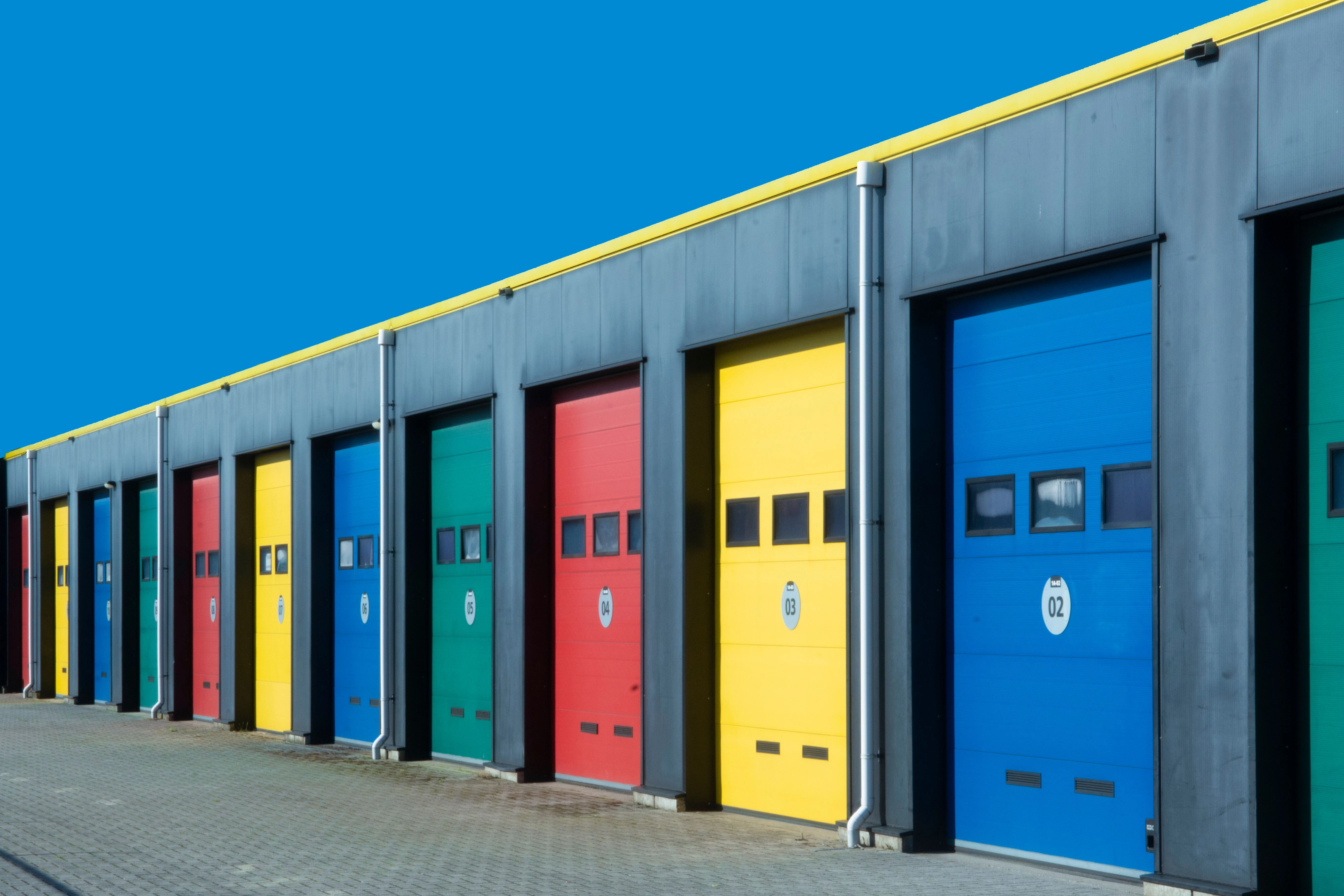
Homes concentrated around the 1980s and 90s can combine older springs, original tracks, first-generation replacement openers, steel rollers, and several generations of service work.
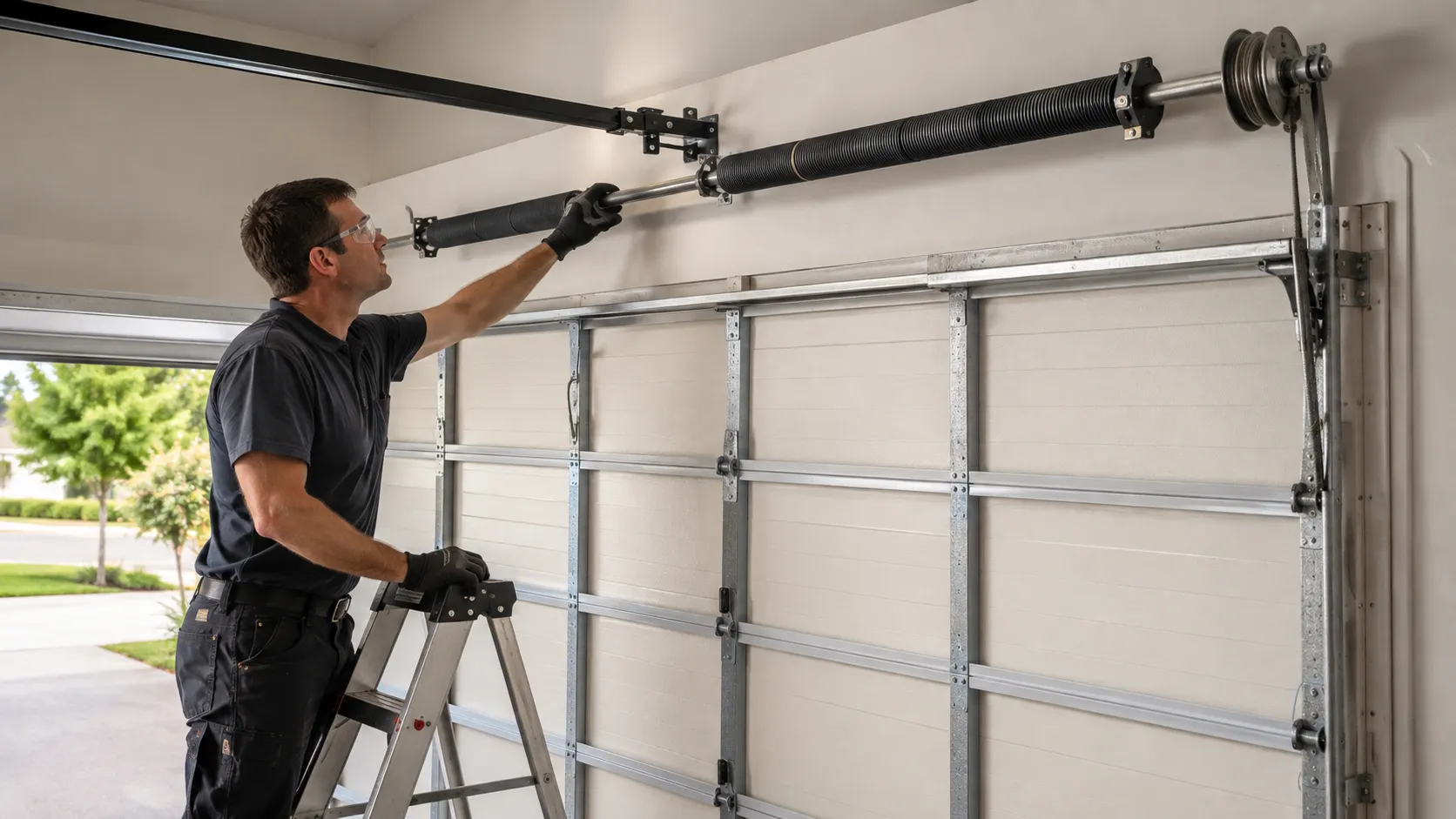
Both torsion and extension spring systems are part of the local housing mix, so spring work starts with identifying which is installed.
Some homes can still use original or early replacement openers whose boards, sensors, gears, or other parts are harder to source.
A garage may have a newer opener while retaining older springs, rollers, tracks, cables, or panels.
Parts should be matched to the actual installed door rather than assumed from the age or appearance of the house.
What to expect
We start with what the door is actually doing, use the age of the door and opener as context, inspect the whole system manually and under power, and explain parts availability before promising a same-visit repair.
Tell us whether the door won't open, opens crooked, makes a loud bang, or the opener runs without moving it. That symptom is the starting point.
We ask about the age of the door and opener because 1980s- and 90s-era systems can require different parts than newer installations.
We test the door manually and under power while checking springs, tracks, rollers, opener force settings, and safety sensors.
If an older component is not standard truck stock, we explain that before promising a same-visit repair.
Some Older Parts Need Extra Sourcing
Certain older garage door and opener components can require additional sourcing time rather than being immediately available.
Clear repair guidance
There isn't one flat repair price, because spring work, opener repair, opener installation, off-track service, maintenance, and complete door replacement involve different parts and labor.
Door weight, spring configuration, cable drums, opener model, sensor type, track condition, and parts availability can all change the repair scope.
Median household income across the broader service area runs around $56,152, but the price still comes from the door in front of us.
We explain when a targeted repair remains worthwhile and when an older opener or door has reached the point where replacement may provide better long-term value.
Older opener electronics or other discontinued parts can also add sourcing time to the repair.
Common Punta Gorda garage door problems
Worn springs, aging chain-drive openers, roller corrosion, off-track doors, sensor problems, and general hardware wear make up much of the work across Punta Gorda's older housing stock. Worn torsion springs are a recurring need on doors that have accumulated decades of regular use; older chain-drive openers become noisy, slip, or develop component failures as motors, gears, controls, and electronics age; steel rollers and exposed hardware develop corrosion over time in a humid coastal environment; and track problems are more likely after impact or physical disturbance than from ordinary weather alone — so the correct repair depends on inspecting the entire system rather than assuming the first visible problem is the only issue.
Garage door springs eventually reach the end of their useful cycle life after years of repeated opening and closing.
Older opener motors, gears, boards, controls, sensors, and drive components can eventually develop operating problems.
Older rollers can become rough, noisy, stiff, or corroded after years of regular use and environmental exposure.
Impact, roller problems, cable issues, or alignment problems can leave a garage door unable to travel correctly in its tracks.
Safety sensors, controls, boards, and related opener components can develop reliability problems as systems age.
Coastal garage door wear
The local climate is mild and temperate with coastal humidity and salt-tinged air, so most wear traces to long-term corrosion, lubrication, exposed steel hardware, weather seals, and normal component aging rather than severe temperature-driven failure.
Long-term humidity and coastal air can contribute to surface corrosion on springs, cables, rollers, tracks, hinges, and fasteners.
Corrosion and accumulated wear can make older rollers and track surfaces rougher over time.
Repeated opening and closing remains the main source of long-term spring fatigue on local doors.
An opener can work harder when spring, roller, track, or balance problems are already making the door difficult to move.
Keep the system moving
Periodic inspection can help identify spring fatigue, corrosion, roller problems, track movement, opener strain, sensor issues, and lubrication needs before a small issue becomes a complete failure.
Changes in door balance can indicate the spring system is no longer carrying the door as effectively as it should.
Rough travel, corrosion, looseness, or visible wear can point to developing guidance problems.
Exposed cables, hinges, brackets, and fasteners can be checked for wear, corrosion, looseness, or damage.
Changes in sound, travel, reversing, sensor response, or control reliability can provide early signs of opener trouble.
Repair or replace?
An older garage door or opener is not automatically a replacement candidate. Repair remains practical when the surrounding system is sound and compatible parts remain available, while replacement becomes more sensible when obsolete components or repeated failures make another repair poor value.
A targeted repair can make sense when the door, tracks, opener, rollers, and surrounding hardware remain serviceable.
An older door can remain worth keeping when the panels, tracks, and supporting hardware are still structurally sound.
Replacement can become more practical when an older opener needs components that are increasingly difficult to source.
When several major components are failing together, broader replacement can offer better long-term value than repeated individual repairs.
Service areas
Questions
Most housing in the service area went up between 1971 and 2003, with the heaviest building in the 1980s and 90s. If you haven't replaced your door or opener since the house was built, there's a good chance it's original hardware from that window, which affects what parts we bring.
We stock for the hardware that's actually common in this area's 1980s-90s housing stock, but some original parts from that era are harder to source and can take an extra day. We'll tell you on site if that's the case rather than guessing.
Sometimes yes, sometimes no. A worn spring or a bad sensor is usually a straightforward fix regardless of age. But if an opener from that era is failing and parts are hard to get, replacement is often the better long-term spend - we'll tell you honestly which situation you're in.
Yes, we cover both, though they're on the further end of our range - Burnt Store Marina is about nine miles out and Pine Island Center about nineteen. Mention your area when you call so we can give you an accurate arrival window.
Ready when you are
Tell us what the door is doing and we'll help you figure out whether you're dealing with a spring, opener, off-track door, maintenance issue, installation need, or an older component that's becoming difficult to repair.