
Schedule dependent response time
That's a straight fact about the geography, not a promise about how fast we can get there - we don't quote response windows for this address until we know what's on the schedule that day.
Harbour Heights, Punta Gorda
Harbour Heights homes date mostly to 1989, meaning openers here are often past their second replacement. We diagnose and fix them from our Punta Gorda shop, 8 miles out.
Job timing
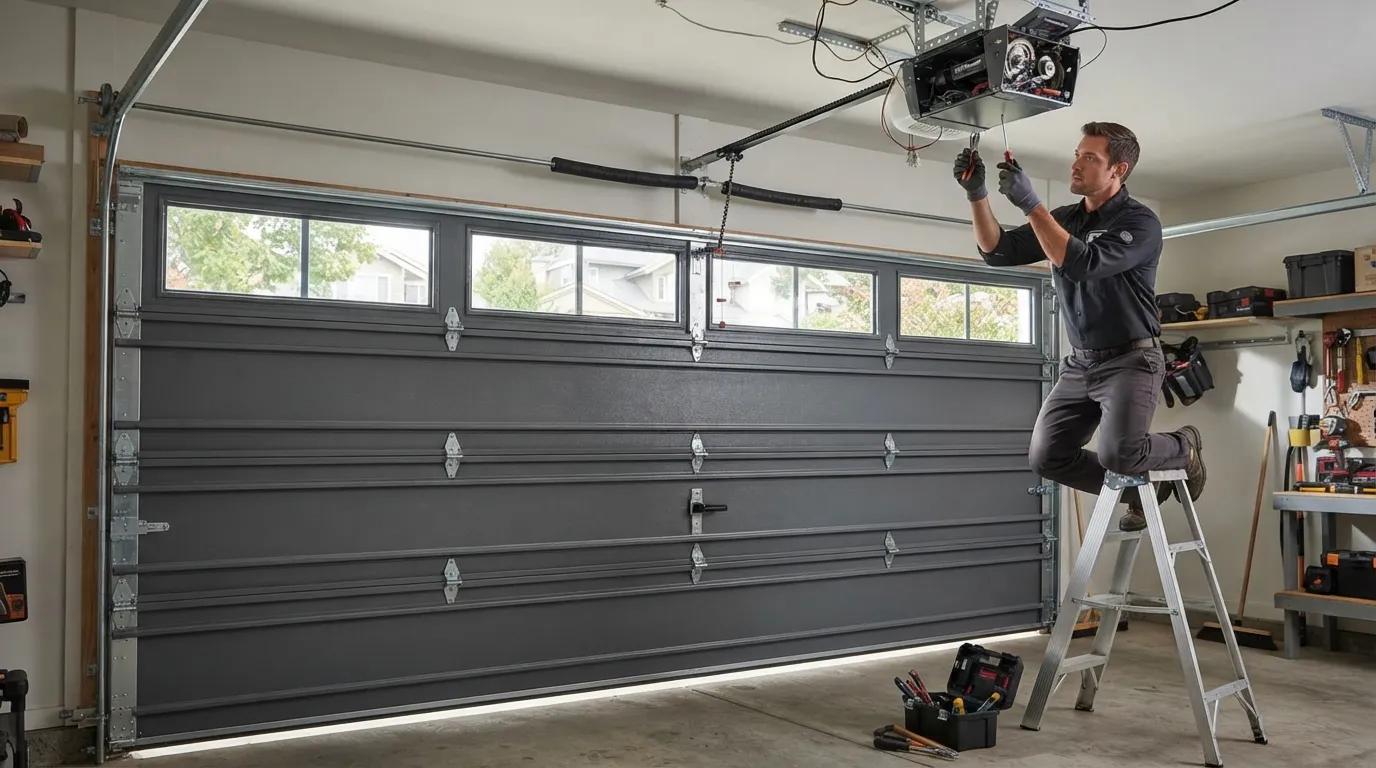
Most houses in Harbour Heights went up around 1989, which puts the neighborhood squarely in the wave of construction that filled out this side of the county through the 80s and 90s. An opener installed when the house was new is long past dead - openers run 10 to 15 years on average - so what's bolted to the ceiling now is usually the second or third unit, not the first. That matters because each swap brought different logic boards, different force-adjustment dials, and in some cases different safety hardware than what the house started with. We've worked openers across that same build era throughout the wider service area, where the housing stock runs 1971 to 2003 with a median around 1985 - Harbour Heights sits a few years newer than that median, but close enough that the same failure patterns show up: worn drive gears, tired capacitors, and circuit boards that finally give out after two decades of Florida humidity working on the solder joints.
Booking
We run out of Punta Gorda, about 8 miles from Harbour Heights, so a call here means a drive, not a walk-in.
That's a straight fact about the geography, not a promise about how fast we can get there - we don't quote response windows for this address until we know what's on the schedule that day.
What we can tell you is what to have ready: the opener's brand and horsepower if it's printed on the housing, and whether the door still moves manually with the release cord pulled. That one detail alone often tells us whether we're looking at a motor problem or something mechanical pretending to be one.

Symptoms
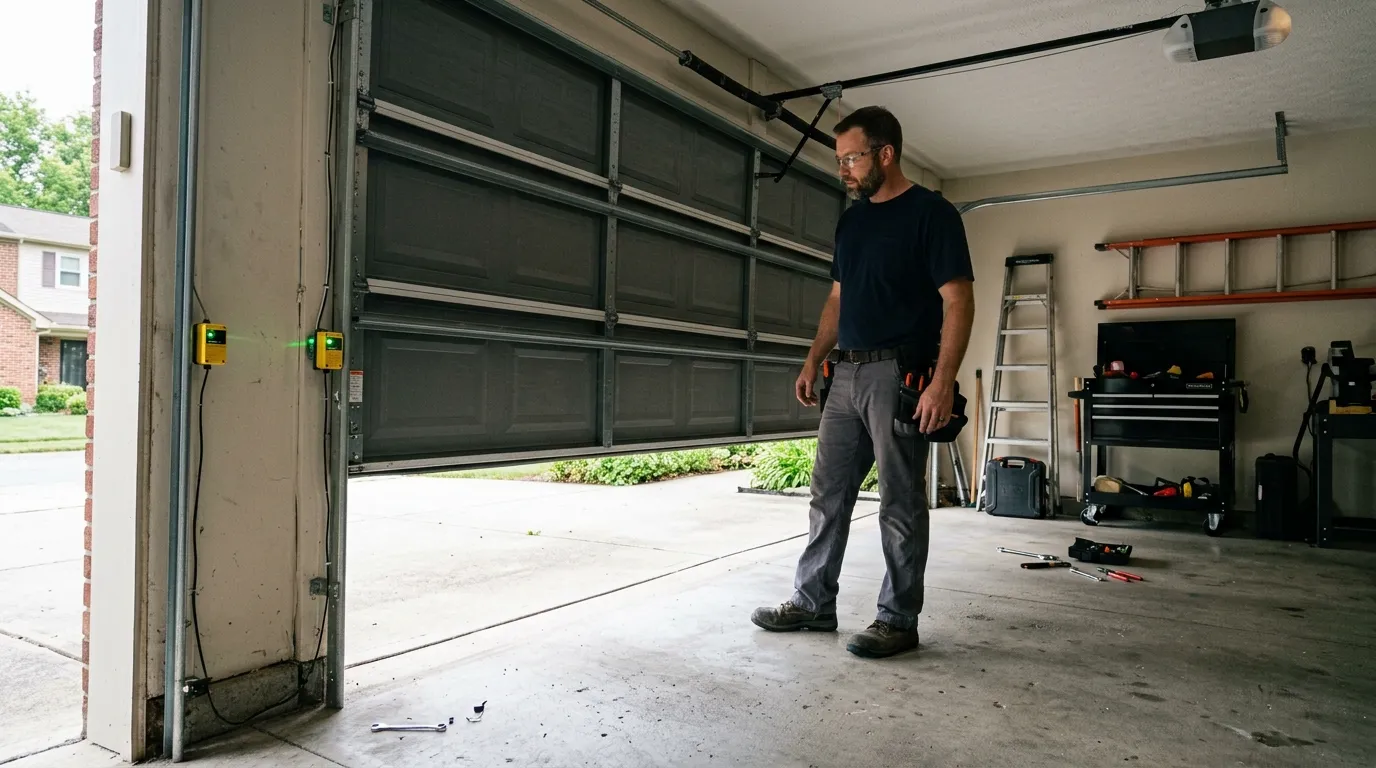
The call we get most from this stretch of the county is a door that hums but doesn't lift, or one that lifts partway and reverses for no reason. On a house from the late 80s, that second symptom is often the safety sensors - photo-eye reversal wasn't federally required until 1993, so if the opener in your garage is original equipment or an early replacement, it may have been retrofitted with sensors later, sometimes with wiring that was never routed cleanly. A door that reverses on a clear driveway is frequently sensor misalignment or a pinched wire, not a bad motor. The other common call is silence - no hum, no light, nothing - which usually points at a dead capacitor or a tripped circuit rather than the drive system itself.
The repair
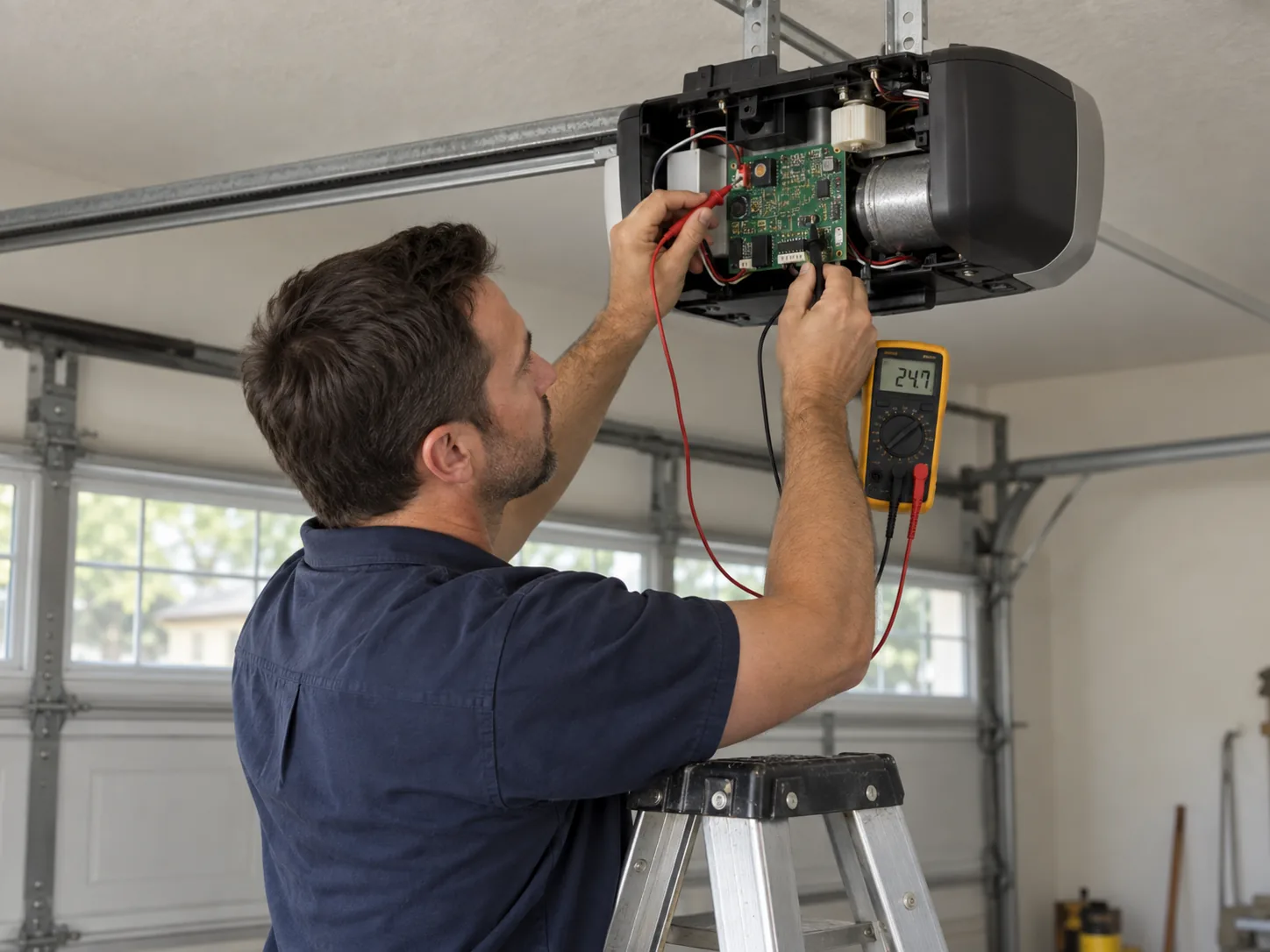
We start at the wall control and work backward: power to the unit, then the logic board, then the motor and drive gear, then the sensors.
On a chain or belt drive from this era, the gear that strips first is almost always a nylon drive gear designed to fail before the motor burns out - it's a $20 part but it takes the cover off and the sprocket out to replace.
If the board itself has failed, we check whether a replacement board still exists for that model before we recommend anything - some boards from 1990s-era openers are no longer made, and at that point we're honest that a new opener costs less than chasing a discontinued part. That's the limitation worth saying out loud: we don't force a repair on hardware that's already outlived its parts supply.
Local causes
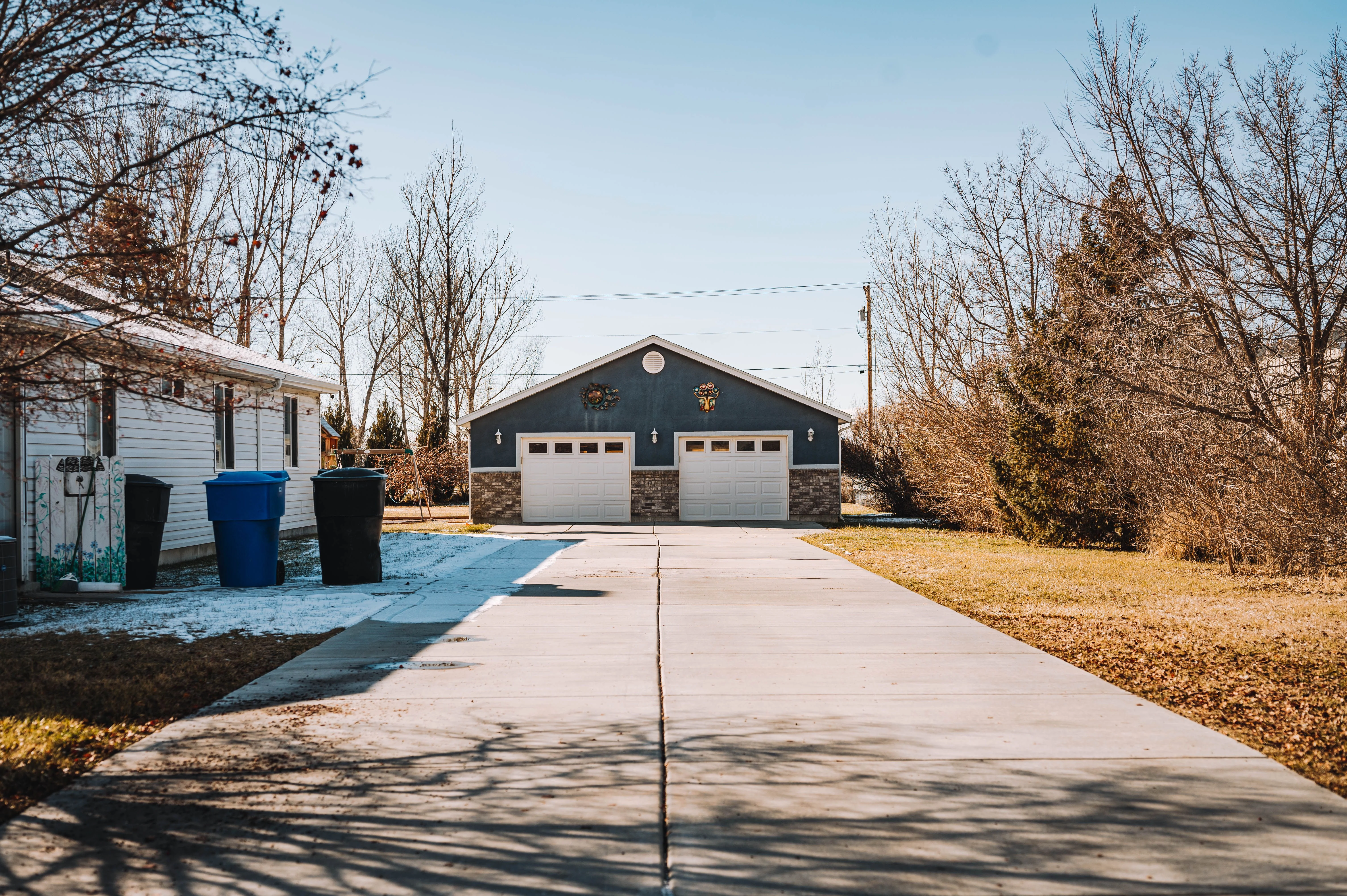
The service area sits in a mild temperate band, which sounds easy on hardware compared to places with hard freezes, but humidity does its own damage over 30-plus years - corroding contacts, swelling wood-backed panels that put extra load on the opener, and shortening the life of capacitors that would otherwise last longer in a drier climate. Combine that with a housing stock built mostly in the 1980s and 90s across this part of the county, and you get a lot of openers doing double duty: lifting doors that have gotten heavier with age against tracks that have drifted slightly out of square. None of that is dramatic, but it adds up to steady wear rather than sudden failure, which is why most of these jobs are diagnosis-and-repair rather than emergency calls.
On the truck
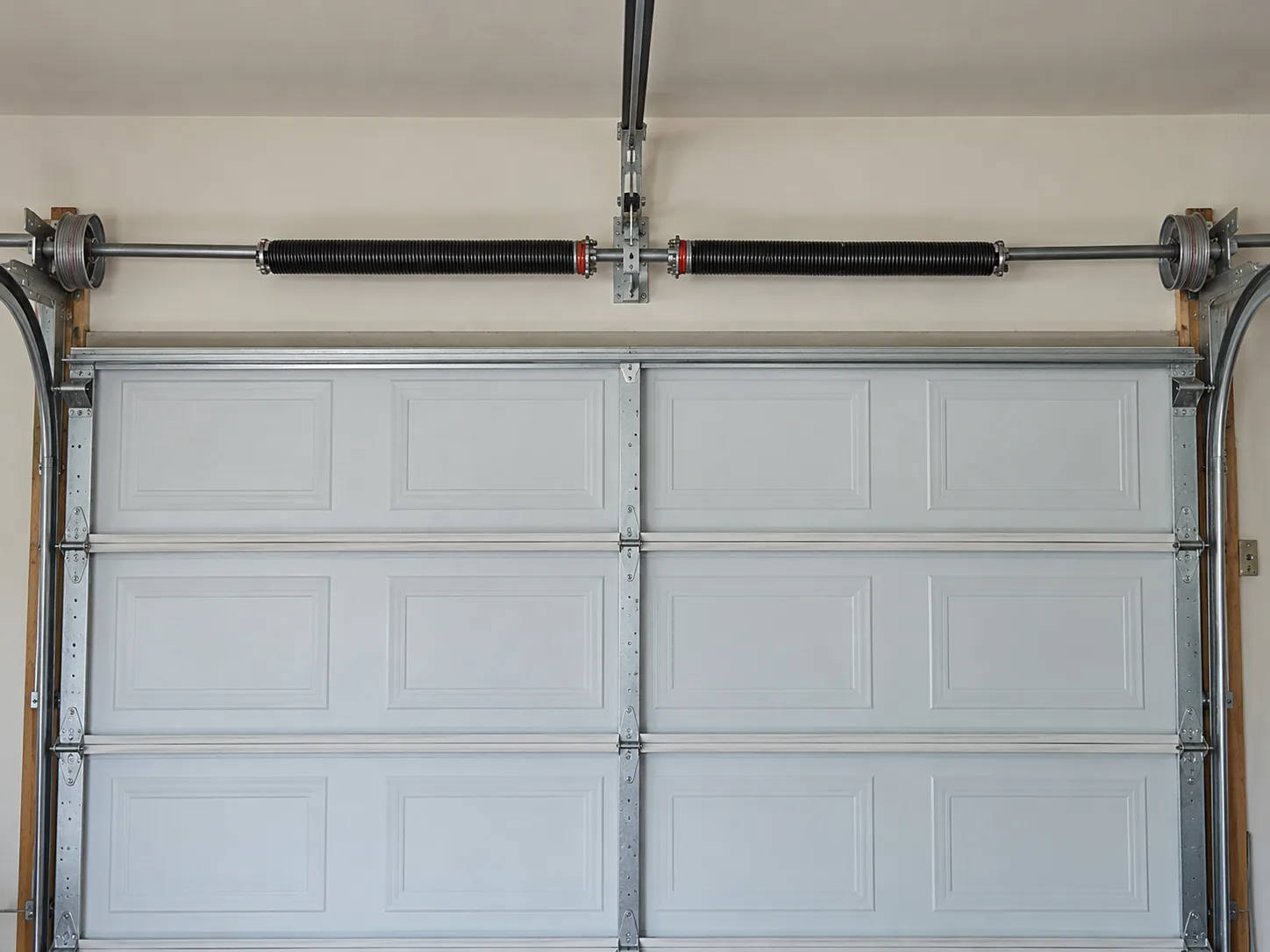
We stock the parts that fail most on openers from this build era: drive gears, capacitors, wall control units, and photo-eye sensor pairs, since retrofit sensor wiring is one of the most common issues we find on original-era setups. Logic boards are the exception - we carry common current models, but a board specific to a 1990s opener sometimes has to be sourced or the unit replaced outright, and we'll tell you which situation you're in before we start billing time. For anything mechanical - springs, cables, tracks - that's a separate service, but the opener parts above are what we keep on the truck for calls out this way.

Questions
About 8 miles from Punta Gorda. We service the area but don't keep a branch or depot in Harbour Heights itself, so every call starts with that drive - it's part of scheduling, not a knock against how the job gets done.
Often it's the photo-eye sensors, not the motor. Houses from this era sometimes have sensors added after the original install, and misaligned or loose-wired sensors are the most common cause of a door that reverses on a clear driveway.
Motors, gears, capacitors and sensors are usually available. Logic boards are the exception - some models from the 90s are discontinued, and at that point we'll say plainly whether a repair still makes sense or a new opener is the better spend.
We don't quote a response window for this address ahead of the schedule. Call and we'll tell you what's realistic for that day, given the drive out from Punta Gorda.
Explore more
Ready when you are
Punta Gorda Garage Door Pros repairs and installs garage doors, springs and openers in Punta Gorda, FL and the surrounding area.