
Punta Gorda, FL
Spring and Roller Failure in Punta Gorda Homes
Homes built between 1971 and 2003 in Punta Gorda still run original torsion springs and rollers. Here's why they fail here and what the fix actually involves.
What we do
Garage door work in Punta Gorda
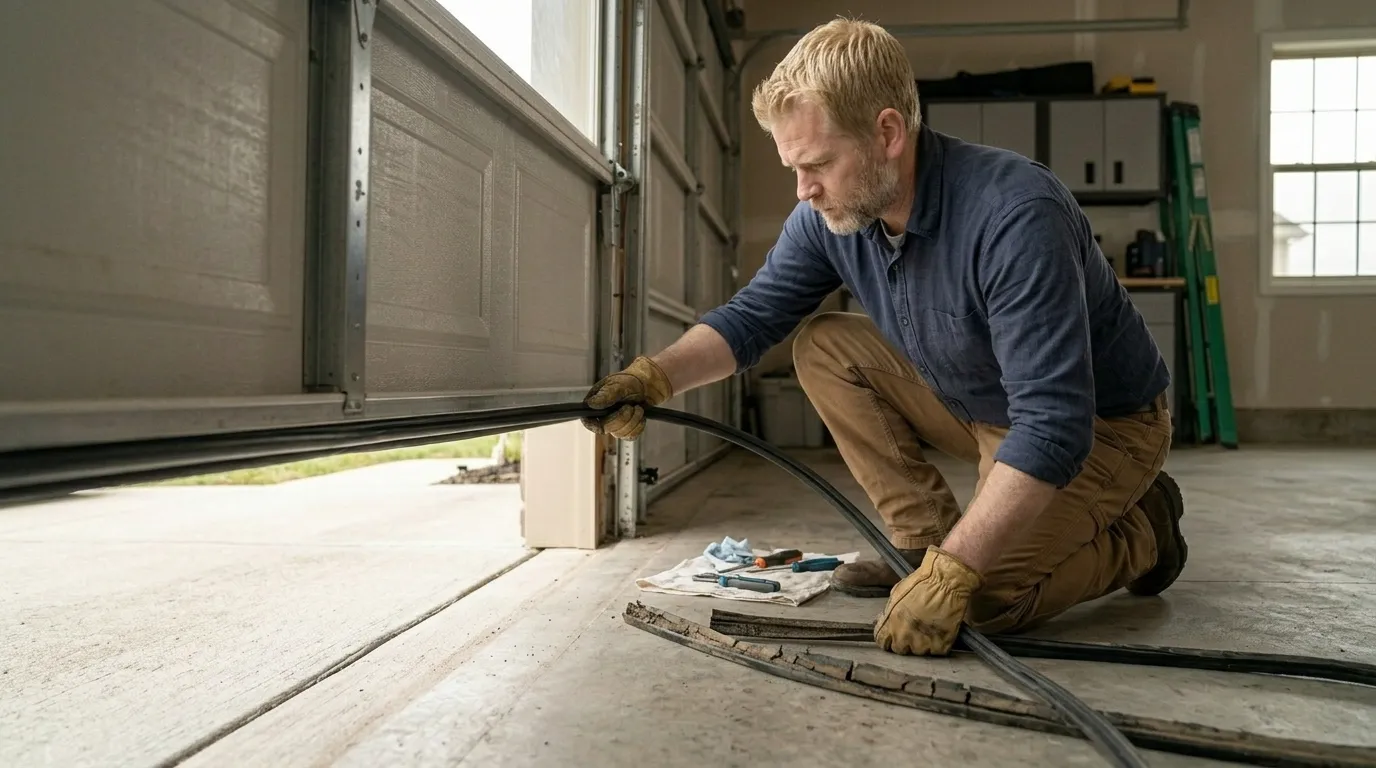
Garage Door Repair for Punta Gorda's 1971-2003 Housing Stock
Garage door repair for Punta Gorda homes built 1971-2003, from Charlotte Park to Burnt Store Marina. Learn more →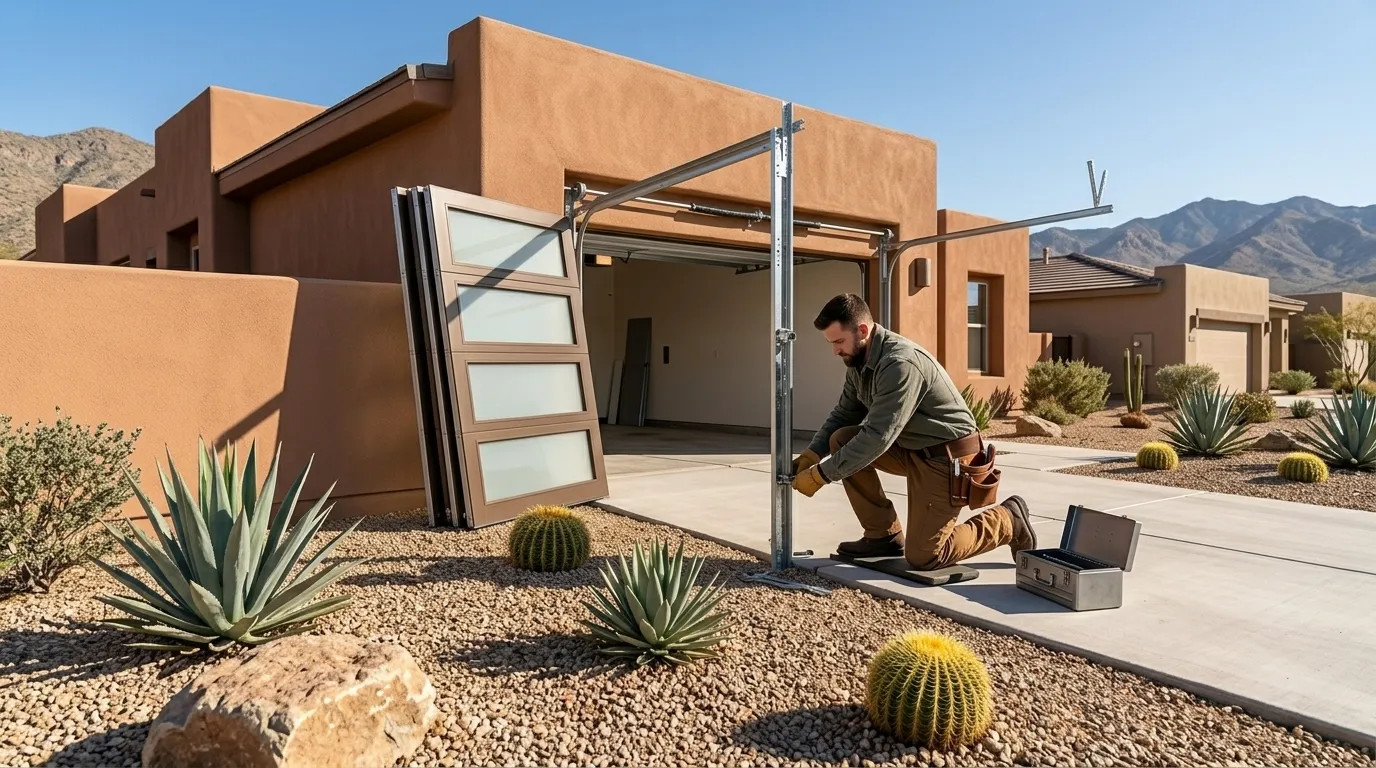
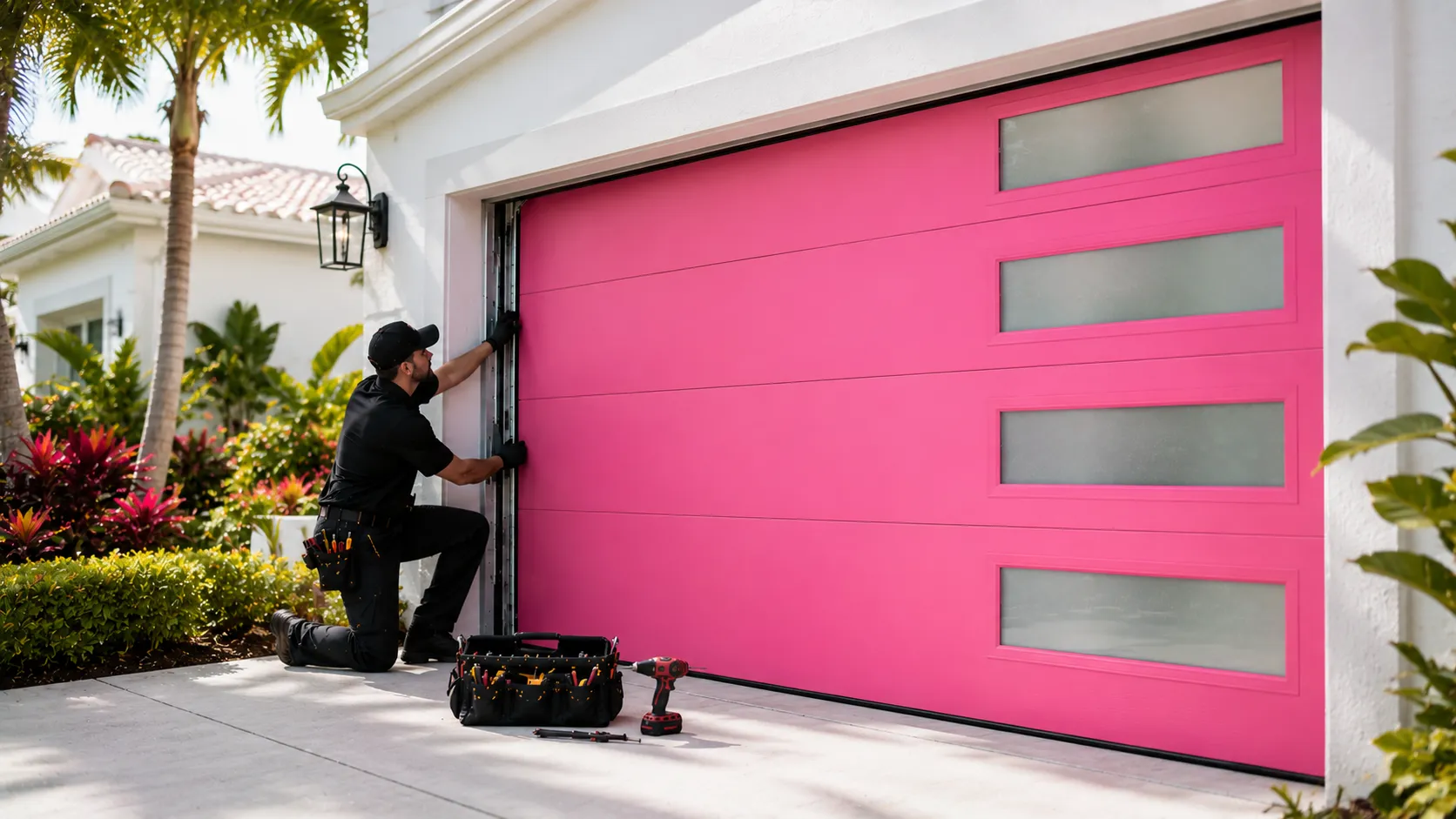
New Garage Door Installation, Built for Punta Gorda Houses
Most Punta Gorda garage doors date to the 1985 building boom. Learn more →Local detail
Why It Happens Here
Most houses across Punta Gorda's twelve named neighborhoods went up between 1971 and 2003, with the bulk clustered in the 1980s and 90s. That means a lot of doors out there are still running the torsion spring and steel roller setup that came with the house - thirty, forty years old in plenty of cases. Springs are rated for a set number of cycles, not years, but age still matters because of what's around them.
Punta Gorda sits in a mild temperate band, which sounds like an easy climate on a garage door, and mostly it is - no deep freeze, no wild swings. But mild and humid isn't the same as dry. Galvanized coatings on older torsion springs wear thin over decades of that steady moisture, and once the coating goes, the spring underneath starts to pit. A pitted spring doesn't announce itself. It just gets weaker and finally lets go, usually while you're standing under the door.
Steel rollers from that same era have the same problem from a different angle: no grease left, dry steel spinning in a steel track, wearing both down together. Neither of these is dramatic. They're slow, and they're exactly what you'd expect from hardware this old sitting in this kind of air.
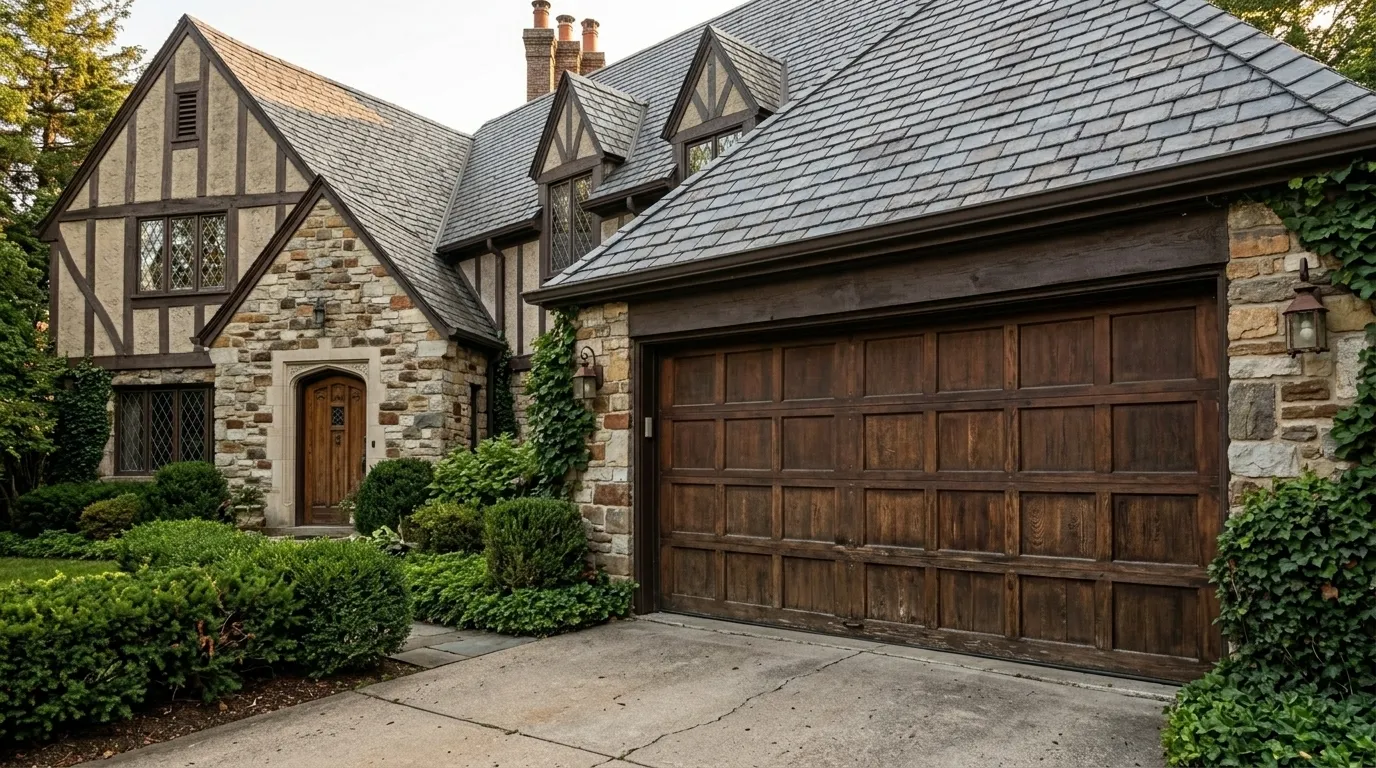
The area
What the Fix Involves
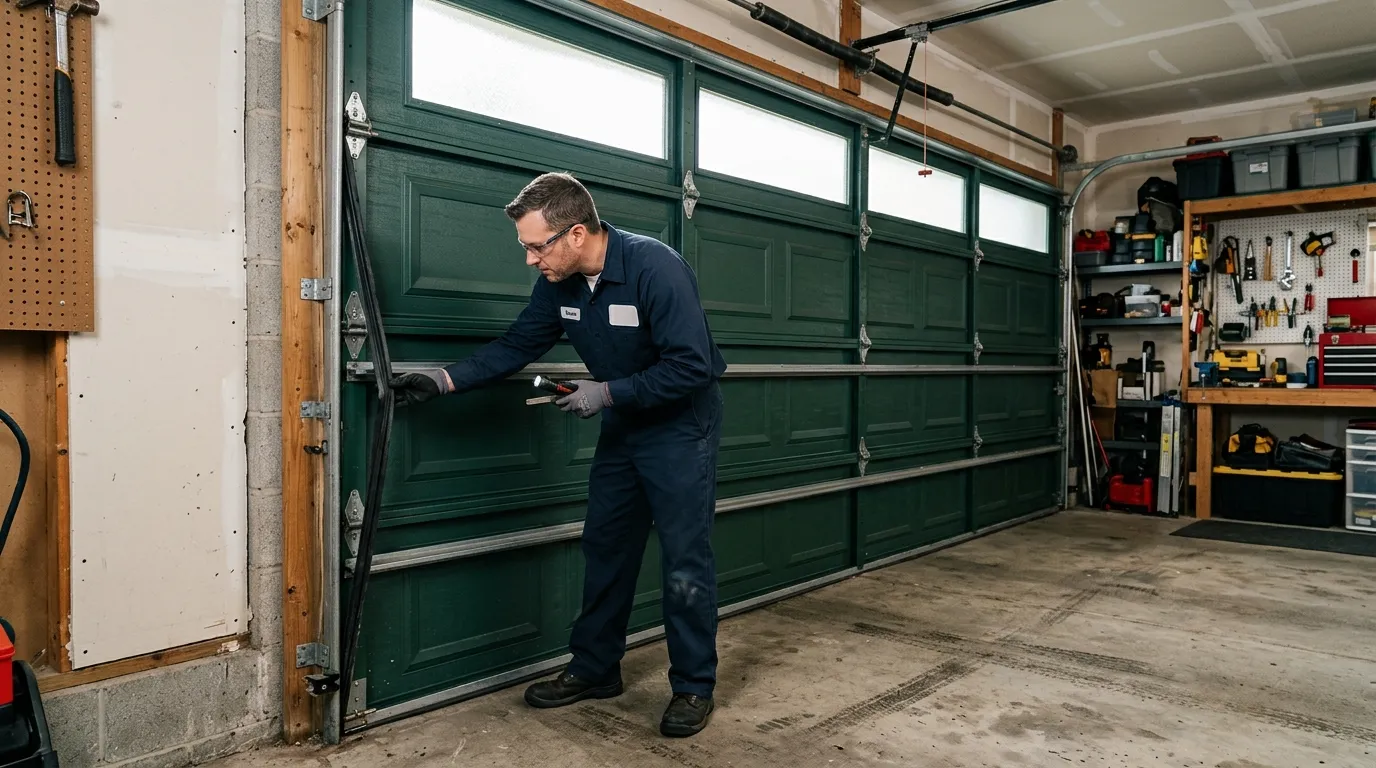
For a spring, this isn't a lubricate-and-adjust job - a torsion spring that's lost its coating and started pitting gets replaced, not patched. We match the wire size and wind to what the door actually weighs now, which sometimes isn't what the original spring was rated for if a heavier insulated door went in at some point.
For rollers, we pull the whole set rather than swapping one or two. If one roller in a 1980s-era track has worn down to metal-on-metal, the others on that door are close behind, and mixing new rollers with worn ones just means a second call in a year.
We check the drums and end bearing plates while we're in there too, since on doors this old they've usually taken the same three decades of wear. If the track itself has widened from years of rollers grinding against it, that gets flagged separately - a track replacement is a different job and a different cost, and we'll tell you straight if that's where you're headed instead of just swapping parts and hoping.
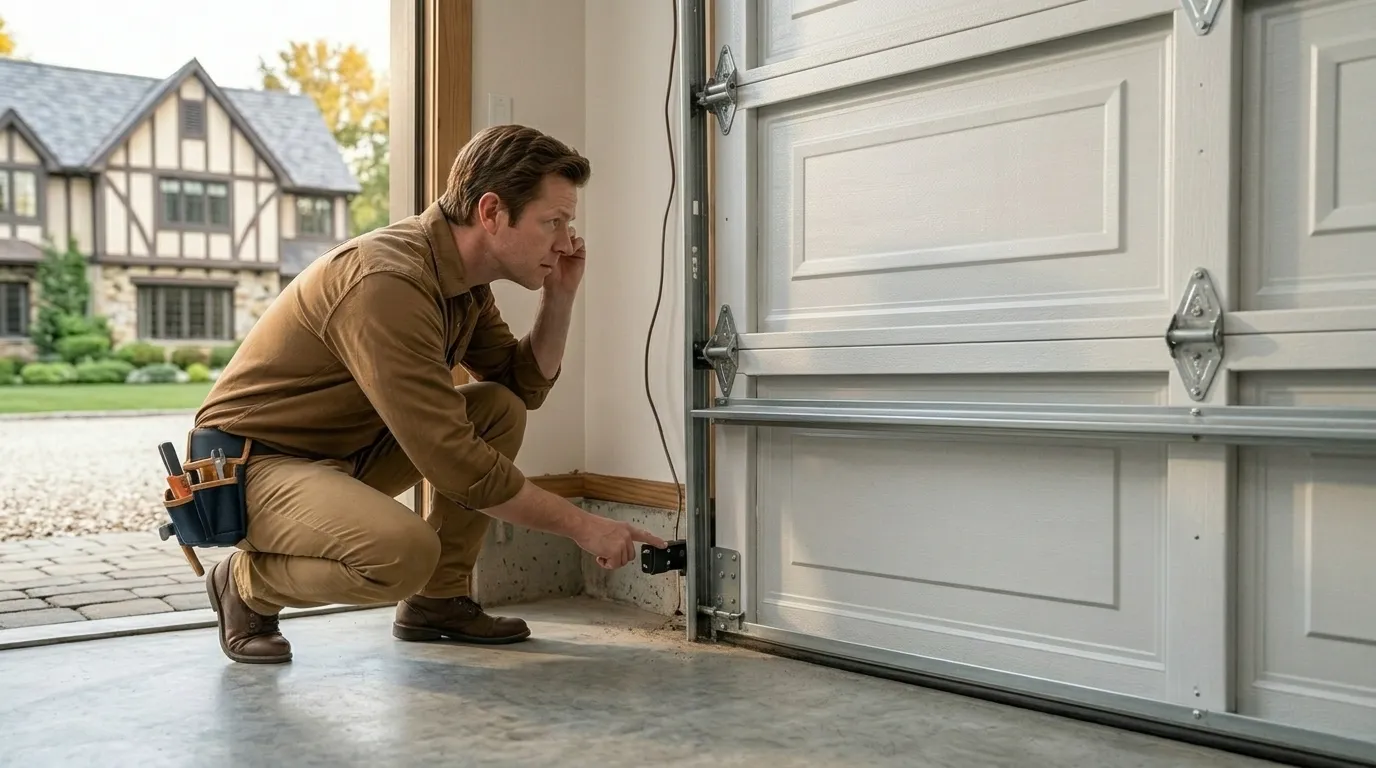
What we find
The Symptom
A spring on its way out usually gets loud before it breaks - a grinding or squeaking with each open and close that wasn't there a year ago. The door might start to feel heavier when you lift it manually, or the opener starts straining and reversing partway up. When the spring actually snaps, you'll hear a bang, and the door will refuse to move or slam down hard if it's already open.
Worn rollers show up differently: the door shudders or jerks as it travels, especially near the top and bottom of the track where the curve puts more load on old, dry steel. You might notice the door isn't running square anymore, catching slightly on one side. Neither of these means the door is done - they mean specific parts are done, and on a house from this era, it's usually the original hardware finally giving out after decades of daily use in Punta Gorda's steady humidity.
How we work
Parts We Carry
We stock torsion springs in the common wire sizes and lengths that fit the door weights typical of homes built through this area's main construction years, plus steel and nylon roller sets to match. What we don't keep on the truck is anything sized for a custom or oversized door - those get ordered, and depending on the spec that can add a few days before the job's finished. We'll tell you upfront if your door falls into that category instead of promising a same-visit fix we can't deliver.
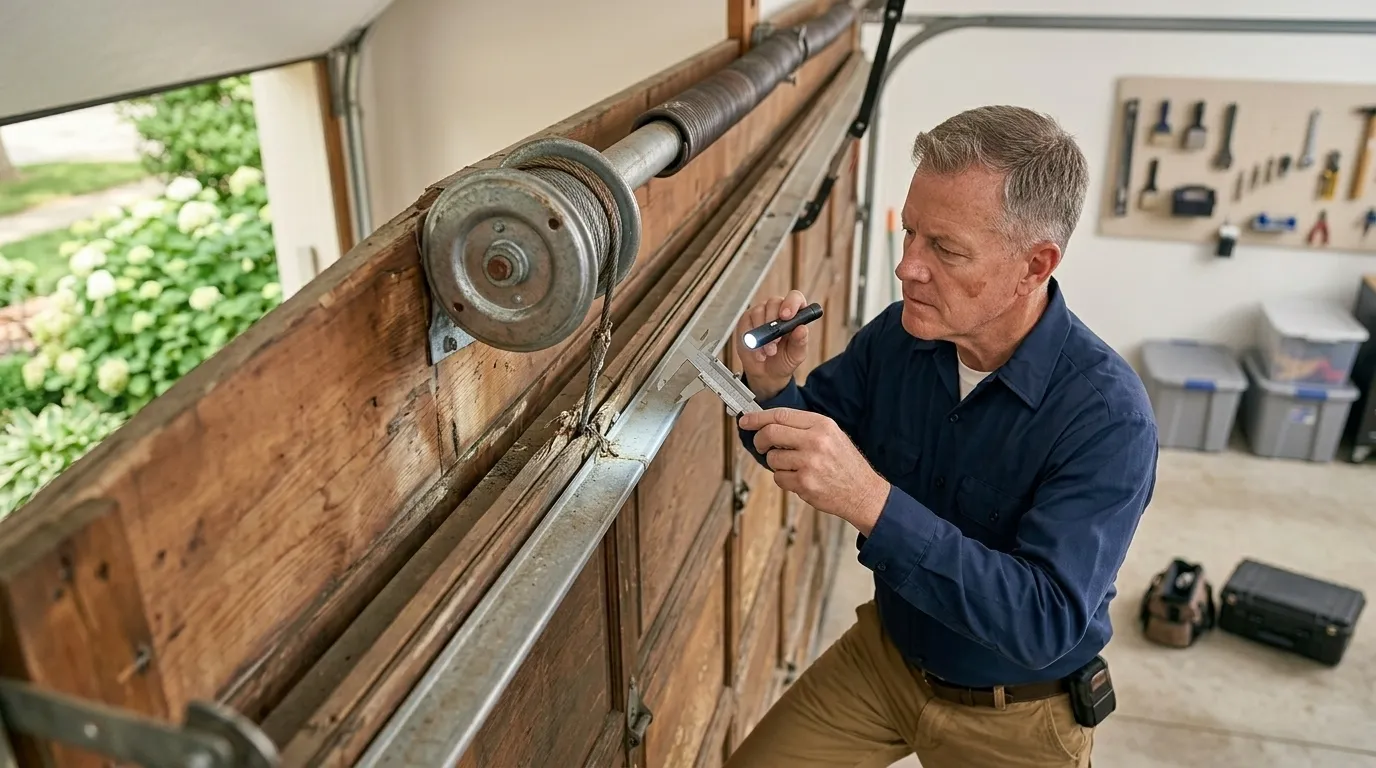
Questions
Common questions
How do I know if it's the spring or the rollers?
A broken spring makes the door refuse to open at all, or feel suddenly much heavier - often with a loud bang when it lets go. Worn rollers keep the door moving but make it shudder, jerk, or run slightly crooked in the track. If the door still opens but sounds rough doing it, start by looking at the rollers.
Why do springs wear out faster here than people expect?
It's less about heat and more about steady humidity. Punta Gorda's mild temperate climate keeps galvanized coatings under constant low-grade moisture exposure. Once that coating thins on an older spring, the steel underneath starts to pit, and a pitted spring fails sooner than its rated cycle count would suggest.
Can you just replace one roller instead of the whole set?
On a door with original 1980s or 90s hardware, we usually recommend the full set. If one roller has worn down, the rest are close behind from the same years of use, and replacing just one often means doing the job again within a year.
Is this covered by a same-day fix?
Common spring and roller sizes are on the truck, so most of these repairs finish same visit. Custom or oversized door parts aren't stock items and have to be ordered, which adds time - we'll tell you right away if your door falls into that group.
Ready when you are
Need a garage door sorted in Punta Gorda?
Punta Gorda Garage Door Pros repairs and installs garage doors, springs and openers in Punta Gorda, FL and the surrounding area.